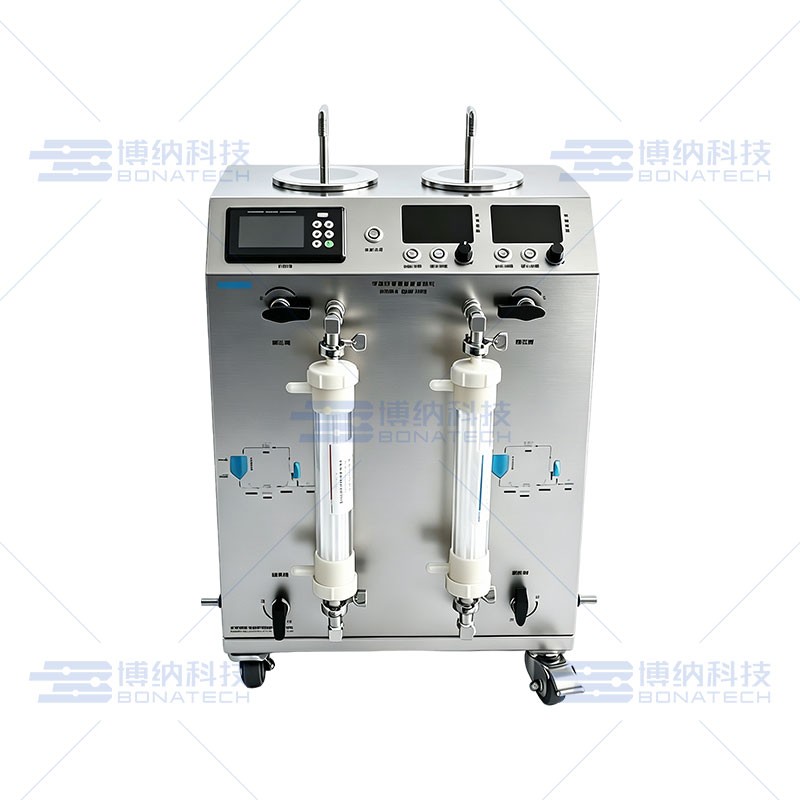
Exosomes are extracellular vesicles (EVs) widely present in bodily fluids, carrying biologically informative proteins, nucleic acids, and more. As research into their applications in cell and gene therapy, liquid biopsy, and drug delivery deepens, the purification of high-purity, large-volume samples demands ever more capable processes.
Exosome samples vary widely, and impurity profiles differ markedly across sources (e.g., serum, urine, cell supernatant), so purification routes are never one-size-fits-all. Conventional, rigidly fixed routes transfer poorly between samples, making it hard to sustain a process when research directions shift and wasting development resources.
Exosomes are nanoscale vesicles wrapped in a phospholipid bilayer with a fragile membrane. Excessively high transmembrane pressure or shear can rupture vesicles and leak their cargo, causing loss of biomarkers such as CD63 and CD81 and compromising structural integrity.
Components such as protein aggregates, lipids, and cell debris in the sample readily accumulate into a fouling layer on conventional hollow-fiber membrane elements, causing filtration flux to drop quickly and undermining processing efficiency and batch-to-batch consistency.
Exosomes are extremely scarce in raw feed and require high-fold concentration. During concentration and buffer exchange (diafiltration), recovery, purity, and structural integrity are hard to achieve at once—a persistent bottleneck for downstream applications.
To address the challenges above, the BonaTech exosome system centers on hollow-fiber-membrane separation and delivers a transferable solution for research and process development—spanning membrane material, drive control, and process routes.
Built with BonaTech high-performance hollow-fiber membrane modules, based on hydrophilic modification, narrow pore-size distribution, and optimized membrane fluid dynamics, it runs stably at low shear rates—reducing shear-induced vesicle rupture to preserve exosome integrity while maintaining high flux through high permeability.
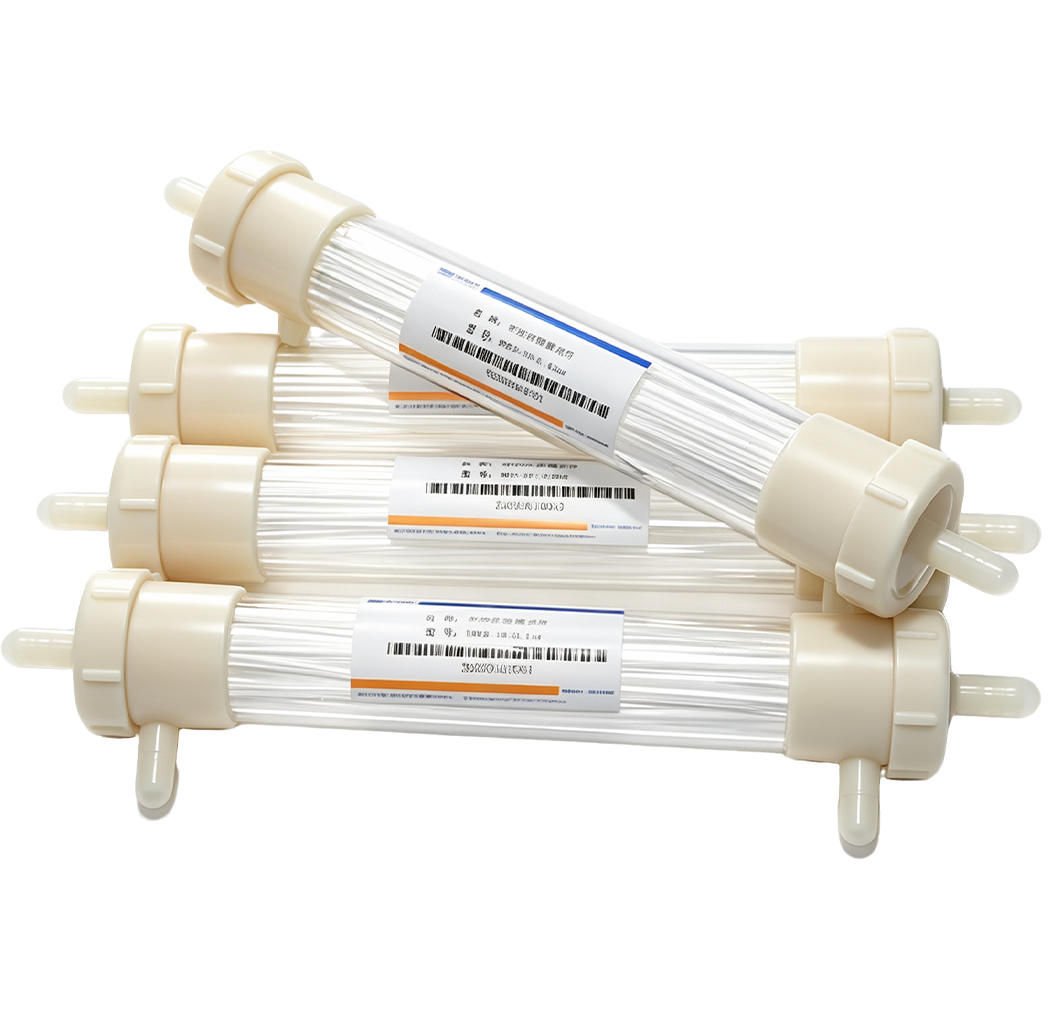
Lowers non-specific adsorption on the membrane surface, improving exosome recovery and reducing loss of target vesicles on the membrane.
High retention accuracy and uniform pore size reduce vesicle rupture and bleed-through loss, preserving exosome morphology and biomarker integrity.
Optimized flow channels and shear field maintain high permeate flux at low shear, achieving synergy between low shear and high flux.
Low shear · high integrity · high flux—working in synergy.
The pump uses a variable-frequency (VFD) control system for stepless adjustment of feed flow, enabling precise tuning of the membrane shear rate. Operating conditions can be flexibly matched to the shear sensitivity of exosomes—effectively suppressing membrane fouling while avoiding mechanical damage to vesicle membranes from excessive shear stress, thus preserving vesicle morphology and cargo activity.
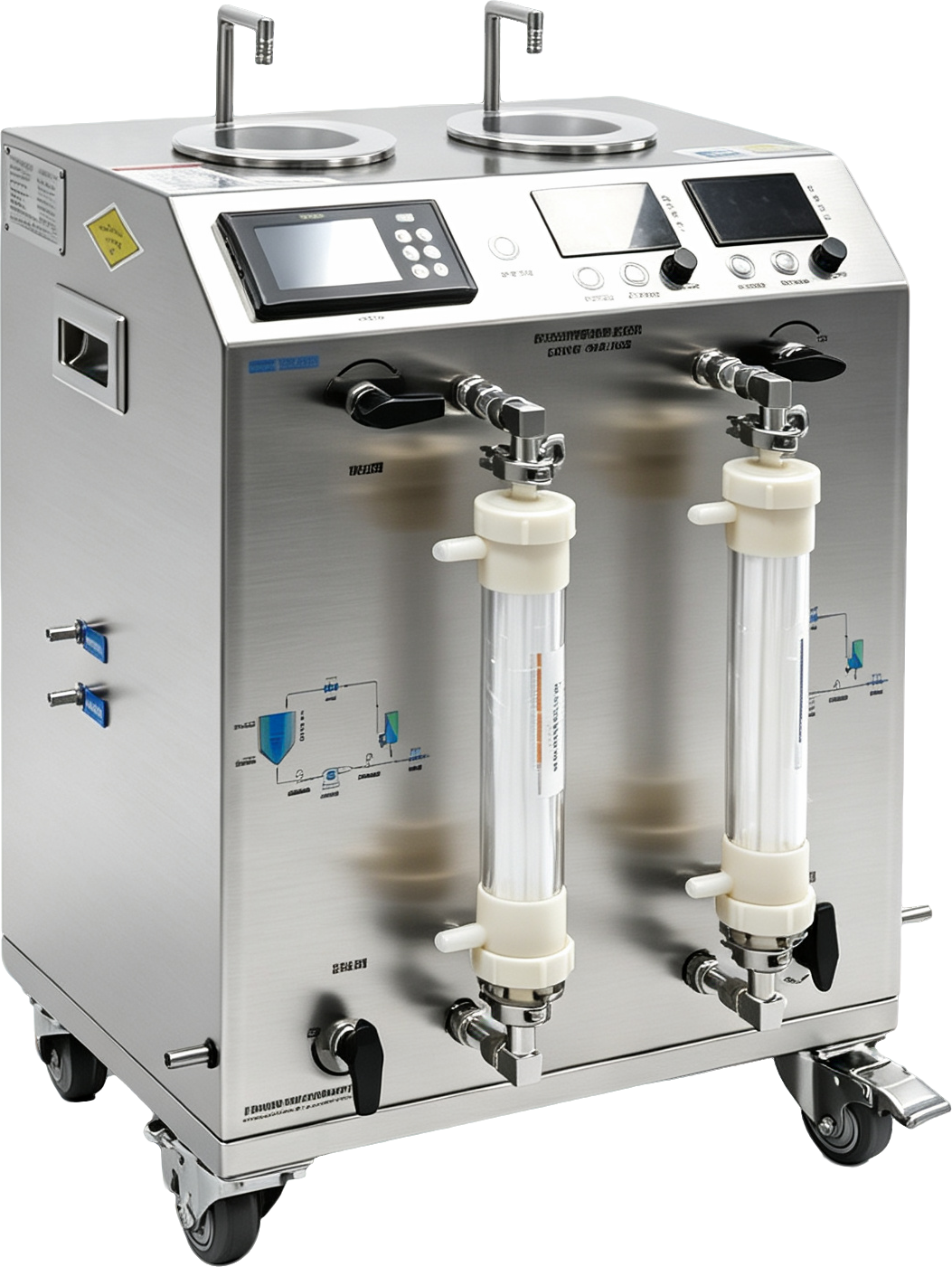
A membrane element can be used alone for single-stage filtration experiments—quickly developing and validating single-step processes such as clarification and concentration, flexibly suiting small-batch precious feed.
Alternatively, elements of different ratings can be run together for two-stage continuous filtration—meeting the integrated pretreatment–UF enrichment need and suiting clarification, concentration, and diafiltration processes for various exosomes.
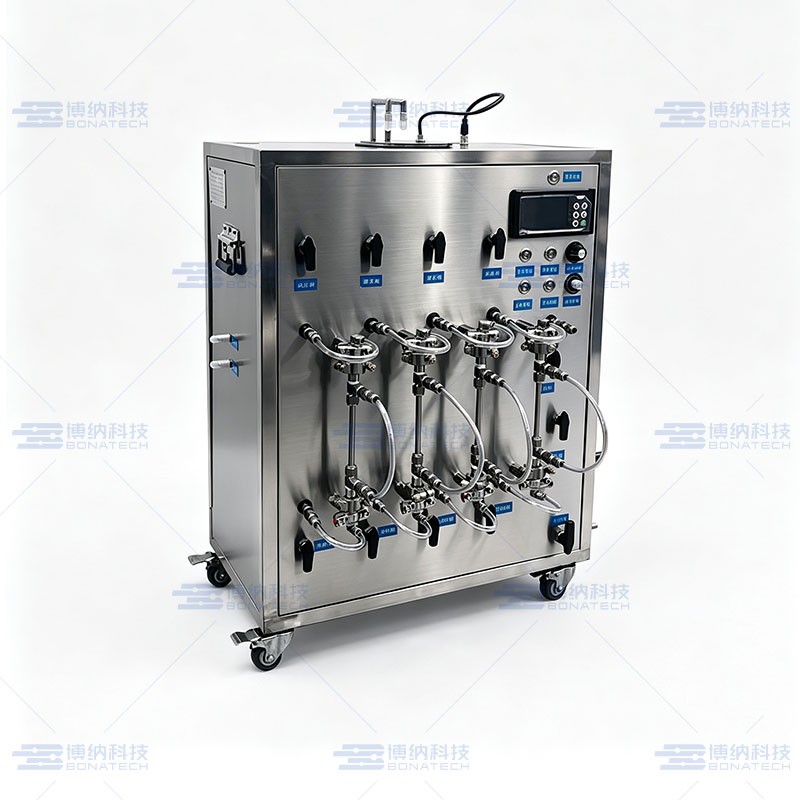
Exosome sources are diverse, with marked differences in feed viscosity, impurity profile, and exosome concentration—using hollow-fiber membranes as the primary membrane type, the MWCO and isolation/purification route are matched to the source.
| Exosome Source | Feed Characteristics | Recommended Isolation & Purification Route |
|---|---|---|
| Cell-Culture SupernatantMSC / Immune cells / Engineered cell lines | Contains abundant cell debris and soluble proteins; moderate exosome concentration | Initial centrifugation → MF clarification to remove large particles → Hollow-fiber UF concentration → Buffer exchange (diafiltration) → Further purification |
| Plasma / SerumBlood-derived | Extremely complex composition, high protein concentration; impurities coexist with exosomes | Initial centrifugation → MF clarification → UF concentration → Diafiltration → Purification |
| Bodily FluidsUrine / Saliva / Cerebrospinal fluid | Low exosome content, high sample dilution, high salt content | Concentration enrichment → UF concentration → Diafiltration desalting → Purification |
| Milk-Derived ExosomesMilk / Colostrum | Contains casein micelles and fat globules; requires dissociation and delipidation first | Delipidation → Casein dissociation → MF clarification → UF concentration → Diafiltration |
| Plant / Microbial SourcesFruits & vegetables / Probiotics | Contains impurities such as pectin, polysaccharides, and pigments; complex matrix | Extraction clarification → UF concentration → Diafiltration → Purification |
Note: The above are typical route examples. Final selection requires a comprehensive assessment of feed properties, processing volume, and purity target. Submit your feed information and BonaTech engineers will customize an isolation and purification route for you.
The BonaTech exosome system product line covers models of different specifications to meet process-validation needs for varying sample throughput and non-clinical sample preparation.
BONA-GM-58 benchtop exosome purification system with PES hollow-fiber TFF membranes, trans
View Details →
BONA-GM-20S benchtop exosome purification system with dual 0.4 m² PES hollow-fiber TFF mem
View Details →
Frequently asked questions about membrane selection, shear control, and membrane-element usage
Exosome sources differ significantly in feed viscosity, impurity profile, and vesicle concentration, so membrane type, MWCO, and the isolation and purification route must be matched to the source—see the "Process Routes" examples above. Final selection requires a comprehensive assessment of feed properties, processing volume, and purity target. Submit your feed information and BonaTech engineers will customize a solution for you.
The system uses a PES internal-pressure hollow-fiber membrane with an open flow channel, paired with a VFD pump for stepless feed-flow adjustment so the membrane shear rate is tunable—shear is kept in the "just enough, not excessive" range to match exosomes' shear sensitivity and avoid vesicle rupture from overly high shear.
A membrane element can be used alone for single-stage filtration experiments; different-rated elements can also be used together for two-stage continuous filtration—meeting the integrated pretreatment–UF enrichment need and suiting clarification, concentration, diafiltration, and other processes.
Yes. Under the VFD control system, key process parameters such as feed flow and membrane shear rate are continuously adjustable and recordable, enabling stable transfer and reproducibility across research scenarios and batches, and providing a consistent technical platform for customized process routes across multiple sources.
The membrane elements use a PMMA transparent shell, so membrane fiber status and the running process are directly visible—every step is seeable and controllable; the control system monitors and adjusts key parameters such as flow and pressure in real time.
You are welcome to submit feed information (source, volume, target purity, and processing volume), and BonaTech engineers will help design a bench/pilot-scale validation plan and, based on the trial data, provide membrane-selection and process-route recommendations.
Explore more on membrane separation technology and exosome isolation & purification
BonaTech compares ultracentrifugation, UF, immunoaffinity,
Read More → Exosome PurificationBonaTech isolates high-purity plant-derived exosomes with
Read More →Submit your material information, scale, and purity requirements, and BonaTech engineers will provide a customized selection plan and quotation
Contact Us Now →