The Need for Tangential Flow Filtration in Antibody Commercialization
In biopharmaceutical manufacturing, downstream separation and purification typically account for 50%–80% of total production cost, making it a core bottleneck for the scale-up and commercialization of antibody drugs. As products such as monoclonal antibodies, bispecific antibodies, and antibody–drug conjugates (ADCs) move from preclinical research into commercial production, ultrafiltration–diafiltration (UF-DF) plays a dual role: it serves both as a material conditioning unit between chromatography steps—adjusting the buffer environment and concentration of intermediates—and as the operation that concentrates antibody feed streams and exchanges them into the final drug-product buffer to produce antibody bulk.
Because antibody proteins are structurally fragile and extremely high in value, manufacturers typically evaluate UF consumables across three core dimensions: (1) processing efficiency—shortening batch cycle time; (2) sample recovery—minimizing loss of high-value protein; and (3) consumable service life—controlling per-batch production cost. Beyond these, cassettes must also offer good scalability and complete regulatory support data, and be well matched to the filtration hardware, to satisfy GMP manufacturing and filing/validation requirements. Balancing performance, economy, and compliance is precisely the processing challenge that antibody commercialization must resolve.
With its low shear, high throughput, and excellent linear scalability, tangential flow technology is a strong fit for processing antibody macromolecule feed streams. A TFF ultrafiltration system built on this principle stacks and encapsulates multiple flat-sheet membranes to achieve high membrane packing density, supports a range of flow-channel options, and enables seamless process transfer from laboratory scale to industrial production.
Measured Performance: mAb Feed Concentration and Diafiltration on a TFF Ultrafiltration System
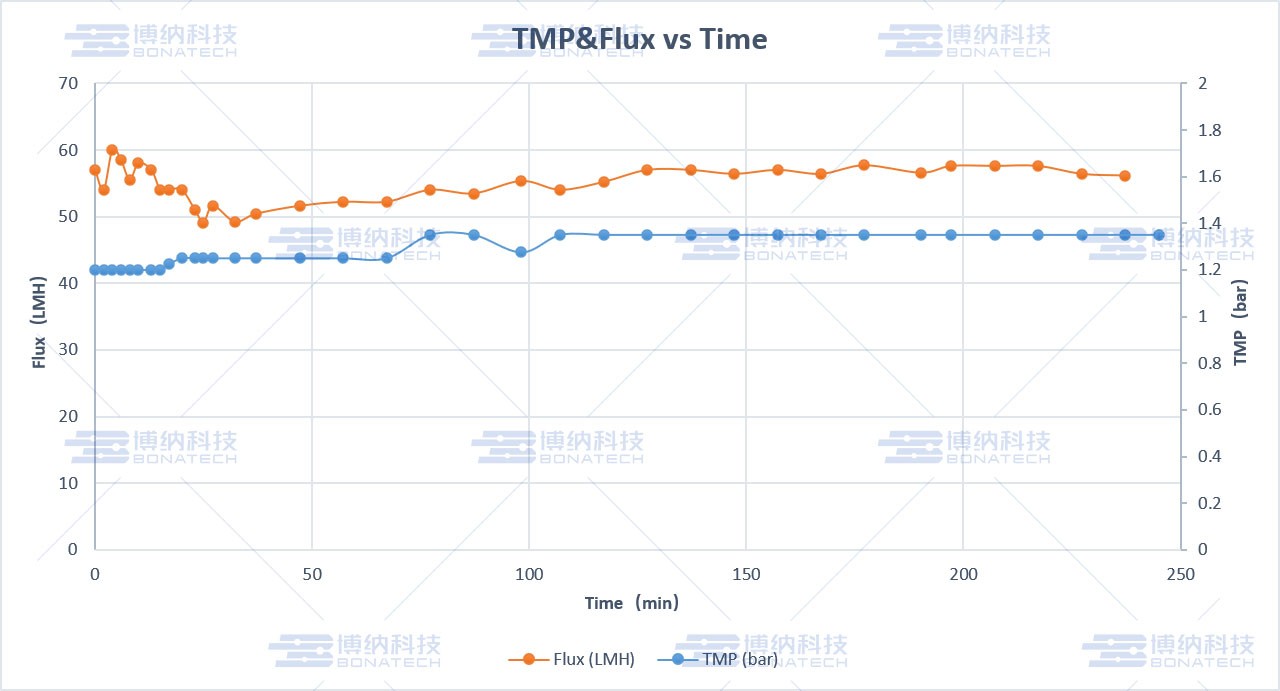
Test protocol: For a specific mAb program, a cassette with a 30 kDa molecular weight cutoff (MWCO), PES membrane, and 0.1 m² membrane area was used to run UF concentration and diafiltration. Operating conditions and results are summarized below.
| Feed Volume | Feed Concentration | TMP | Concentration Factor | DF Volume | Total Time | Avg. Flux | Recovery |
|---|---|---|---|---|---|---|---|
| 5 L | 13.5 g/L | 1.0–1.1 bar | 2 | 8 | 245 min | 55.10 LMH | 97.15% |
1. Processing Efficiency
At a feed load of 675 g/m², the system completed 2× concentration and 8 diavolumes of diafiltration within 4 hours, with an average flux of 55.10 LMH—a 20% improvement over the customer's existing process. This means less membrane area is required for the same working time, lowering cassette cost by 20%.
2. Protein Recovery
This UF run achieved a sample recovery of 97.15%, about 5% higher than the customer's original process. Because antibody feedstock is costly, higher recovery means less loss of precious protein intermediates—reducing the cost per gram of product while strengthening its market competitiveness.
3. Cleaning Tolerance and Batch-to-Batch Stability
After testing, the cassette's water-flux recovery reached 98.2%. The cassette tolerates a wide pH range (1–14) and temperatures of 4–50 °C, supports CIP with 0.5 M NaOH, and can be reused over 100 times in practice—with both recovery and flux meeting the customer's process requirements.
BonaTech Membrane Cassette — Product Information
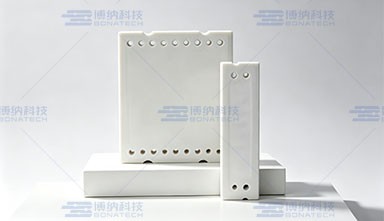
BonaTech's cassette series uses a hydrophilic-modified polyethersulfone (PES) membrane characterized by low non-specific adsorption, high flux, and resistance to acid/alkali cleaning. MWCO coverage spans 1 kDa to 1000 kDa, with microfiltration specifications also available. Membrane area ranges from 0.02 m² to 2.5 m², and all sizes share a consistent flow-channel structure to guarantee linear process scale-up.
Typical Application Areas
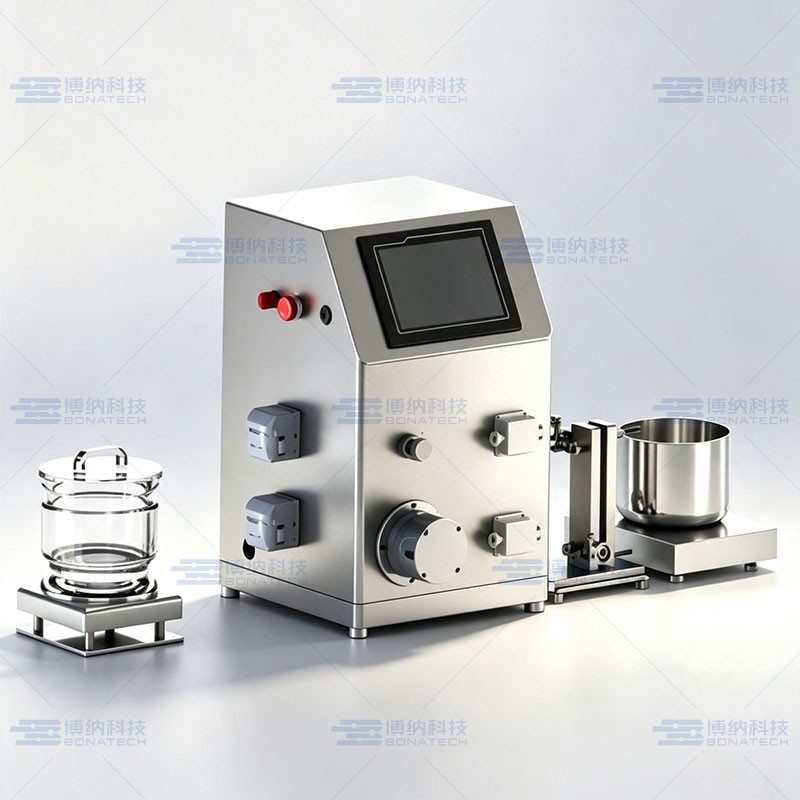
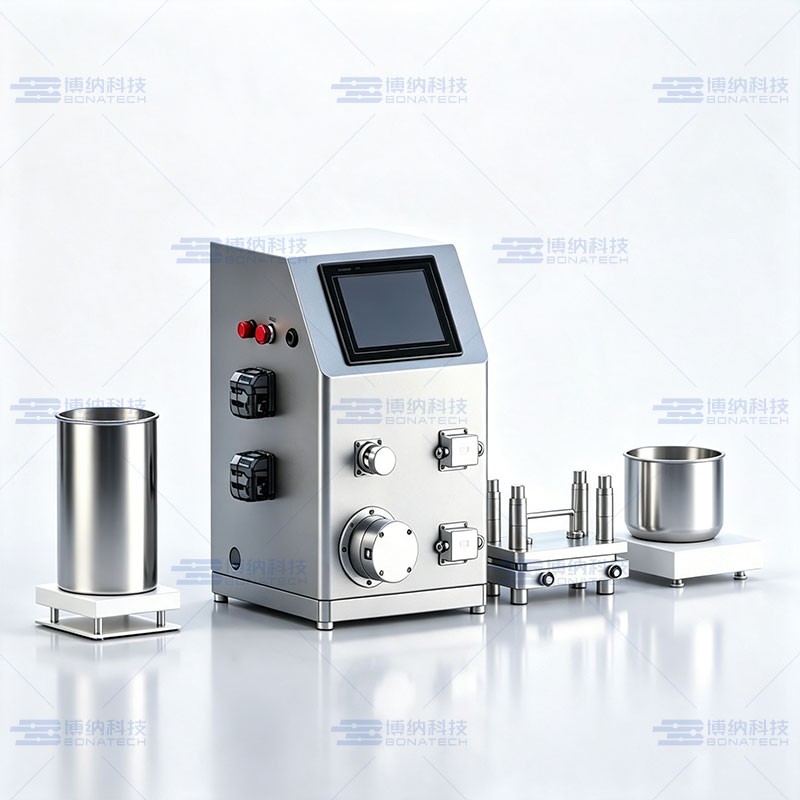
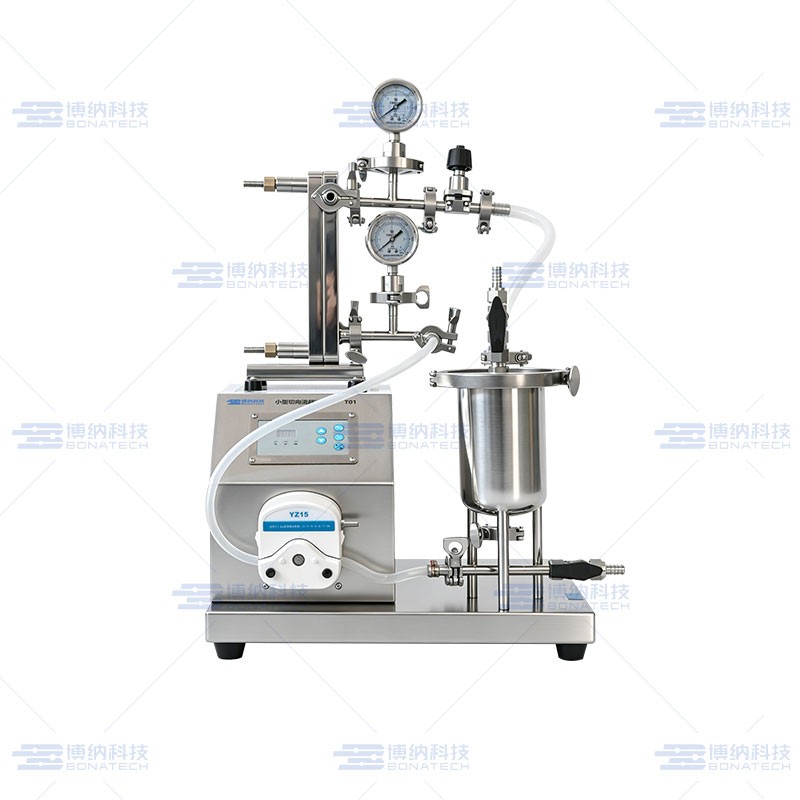
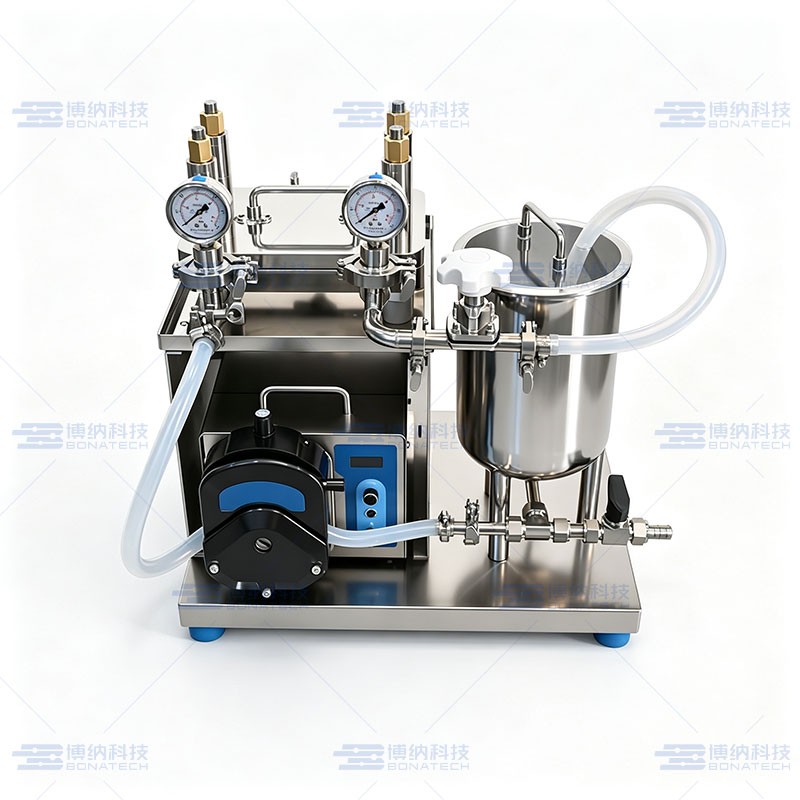
Antibody Concentration and Diafiltration Systems: BonaTech's Self-Developed TFF Portfolio Across All Scales
Realizing the full performance of a cassette depends on purpose-built hardware. BonaTech has built a complete TFF ultrafiltration system product line whose fluid dynamics are matched to its cassettes, ensuring consistent performance across scales and helping customers complete process transfer from lab-scale development to commercial manufacturing.
Conclusion
China's antibody drug R&D and commercialization are advancing rapidly, and the reliability, economy, and compliance of downstream purification have become a critical link in the localization of the biopharmaceutical supply chain. Field data from BonaTech's UF cassettes in antibody programs demonstrate that domestic ultrafiltration consumables meet the stringent GMP manufacturing and regulatory filing requirements of antibody drugs.
From small-volume lab processing to pilot scale-up and commercial mass production, BonaTech's antibody concentration and diafiltration systems and TFF ultrafiltration platforms—powered by tangential flow technology—combine high efficiency, high recovery, reusability, easy scale-up, and full compliance, making them a trusted process infrastructure for mAb drug R&D and commercialization.